Physical Address
304 North Cardinal St.
Dorchester Center, MA 02124
Physical Address
304 North Cardinal St.
Dorchester Center, MA 02124

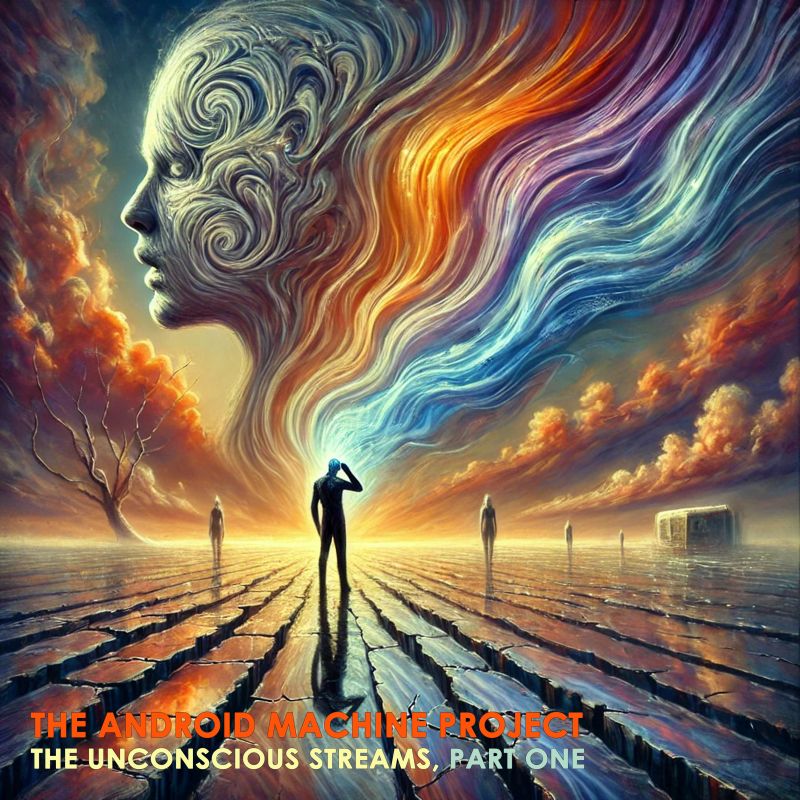
The Android Machine Project - The Unconscious Streams, Part One. A journey between past and future: how AI and modern sound design have breathed new life into visionary symphonic metal compositions written between 1987 and 1992. A review of a perfect digital anachronism.
 There is a fascinating paradox in handling material that spans decades. Upon first listening to these compositions, the immediate reaction is that of facing a solid, albeit classic, display of symphonic/prog metal. Then comes the chronological shock: the original songwriting dates back to the half-decade between 1987 and 1992. An era in which that genre simply did not exist, anticipating by years the blueprints of bands like Therion or Nightwish. What a lazy ear today might classify as a standard was pure foresight thirty years ago: layering orchestrations over tight guitar textures was an act of avant-garde stylistic insubordination.
The true stroke of genius, however, lies in the conceptual restoration process. Instead of limiting itself to a philological, museum-like reproduction, the project harnesses modern tools and artificial intelligence to finally give substance to those visions. Here, AI and contemporary sound design do not act as cold executors, but as catalysts bridging the gap between the original ambition and the technological limitations of the era. The resulting wall of sound is massive: the guitars acquire the necessary weight, and the orchestral synths lose the typical “fake” aesthetic of vintage samplers to transform into a digital gothic cathedral.
What strikes most within the listening experience—particularly in the opening track, which serves as a manifesto for the entire work—is the management of dramatic tension. The string ostinato, now enhanced and refined, creates a visceral contrast with a theatrical and claustrophobic vocal performance. The vocals are not drowned out by the new instrumental density but lock right over it, floating with a dynamic range that was previously unthinkable. This transition proves that when the compositional substance is strong, technology does not erase the past; it brings it to its logical fulfillment. A mandatory listen for anyone wanting to understand how the future can, at times, have already been written thirty years ago.